How to Write a Heartfelt Message for a Blank Greeting Card

When I make cards at handmade by Jules, I like the inside to be blank because it leaves space for your own words. Printed messages can be helpful, but they can never know the recipient the way you do. Your message is the part that makes the card feel truly theirs.
That blank space can feel a little intimidating though. I know the feeling. You pick the perfect card, perhaps one that made you smile straight away, then open it and think, “Right, now I need to sound thoughtful, funny, sincere, original, and not like I swallowed a poetry book.”
The good news is that a heartfelt message does not need to be long or fancy. It just needs to sound like you. A blank greeting card gives you room to write something personal, whether that is tender, silly, comforting, encouraging, or a lovely mix of all of those things.
What to write in a card - start with the person, not the occasion
It is easy to begin with the event. Birthday. New baby. Wedding. Sympathy. Retirement. Thank you. But the best card messages usually begin with the person.
Before writing, pause for a moment and think about who will receive the card. Their personality will guide almost everything else.
Ask yourself:
Do they love sentimental words, or do they get embarrassed by anything too mushy?
Are they the sort of person who appreciates a joke?
Would they prefer something short and simple?
Are they going through something difficult and in need of warmth rather than wit?
Do they like fuss, or would they rather have something gentle and understated?
A birthday card for a fun-loving friend might say:

Hope your birthday is full of cake, chaos, and at least one person pretending not to know your age.
A birthday card for someone quieter might feel better with:

Wishing you a peaceful birthday filled with the little things that make you happiest.
Both messages are thoughtful. The difference is that each one suits a different person.
This is where a handmade card has such lovely potential. If the card design already reflects the recipient, your words can build on that. A floral card might suit someone who loves the garden. A quirky animal card might be perfect for the friend who sends you ridiculous memes at midnight. A soft, elegant card might be right for someone who prefers classic and simple.
The outside catches their eye. The inside speaks to their heart.
Use a memory to make the message feel personal
A shared memory is one of the easiest ways to make a card feel special. It proves that the message could only have been written by you.
It does not need to be a grand, emotional story. Small moments often work best.
Think of:
A funny thing that happened together
A trip, meal, or day out you both remember
A phrase they always say
A moment when they helped you
A quality you admire in them
A tradition you share
For example, instead of writing:
Happy birthday. Hope you have a lovely day.
You could write:
Happy birthday. I still laugh whenever I think about the time you tried to give directions and somehow took us back to the same roundabout three times. I hope your day is full of laughter, cake, and fewer navigation challenges.
That is personal, warm, and funny. It also sounds like a real person wrote it, which is always the aim.
For a thank you card, a memory can make the gratitude feel deeper:
Thank you for being there last week. I keep thinking about the cup of tea you made me and the way you knew exactly when to talk and when to sit quietly. It meant more than I can say.
For an anniversary card:

Another year of us, and I still think our rainy day picnic in the car was one of my favourite memories. Life with you is full of moments I never want to forget.
Anecdotes work because they bring the message to life. They make it specific. They also remove the pressure to sound “perfect”. A real memory already has feeling in it.
If you are writing to someone you do not know very well, you can still personalise the message. Mention what you genuinely appreciate about them.
For example:
I have always admired how calm and kind you are, even when things are busy. I hope your birthday brings you the same warmth you give to others.
No dramatic speech needed. Just one true observation can go a long way.
Choose a tone that matches the moment
The tone of a greeting card message matters. A funny message can be perfect for one situation and completely wrong for another. Likewise, a deeply sentimental note might be beautiful for one person and far too intense for someone who usually communicates in sarcasm and biscuits.
Here are three simple directions to choose from.
Write a sentimental message when emotions matter
Sentimental messages suit weddings, anniversaries, milestone birthdays, sympathy cards, new baby cards, and moments when someone needs to feel loved.
A sentimental message should be honest, not overdone. If you would never say “my darling treasure of infinite starlight” in real life, this is probably not the time to start. Unless that is very much your thing, in which case, sparkle on.
Try phrases like:
“I am so grateful for you.”
“You mean so much to me.”
“I feel lucky to know you.”
“I am proud of you.”
“I am thinking of you with love.”
A simple sentimental birthday message might be:
Happy birthday. I hope you know how loved and appreciated you are, not just today but always. I am so grateful to have you in my life.
A sympathy message needs special care. Keep it gentle and sincere. Avoid trying to explain loss or make it better. The aim is to offer comfort.

I am so sorry for your loss. I am thinking of you and sending so much love. I hope you feel surrounded by care in the days ahead.
When in doubt, choose kindness over cleverness.
Write a humorous message when laughter fits
Humour is wonderful when it suits the recipient and the occasion. It can make a card feel full of personality. It is especially good for birthdays, friendship cards, thank you cards, congratulations, and “just because” notes.
The best funny card messages are affectionate, not cruel. A gentle tease is fine if that is part of your relationship. A joke about getting older might suit a close friend, but not necessarily your new manager. Unless you are very brave. Or looking for a new job.
Examples:

Happy birthday. You are not old, you are just becoming a limited edition.
Thank you for everything. I would write more, but this card is already doing a lot of emotional heavy lifting.
Congratulations. I always knew you were brilliant, but it is nice to have written evidence.
Humour can also sit alongside sincerity:
Happy birthday to one of my favourite people. You are kind, funny, generous, and very lucky to have such excellent taste in friends.
That little mix of warmth and cheekiness often feels natural, especially for close friends and siblings.
Write an encouraging message when support is needed
Encouraging messages are ideal for exams, new jobs, recovery, difficult seasons, fresh starts, or any moment when someone needs a boost.
The trick is to sound supportive without being dismissive. “You’ll be fine” can sometimes feel a bit rushed. Something more thoughtful may land better.
Try:
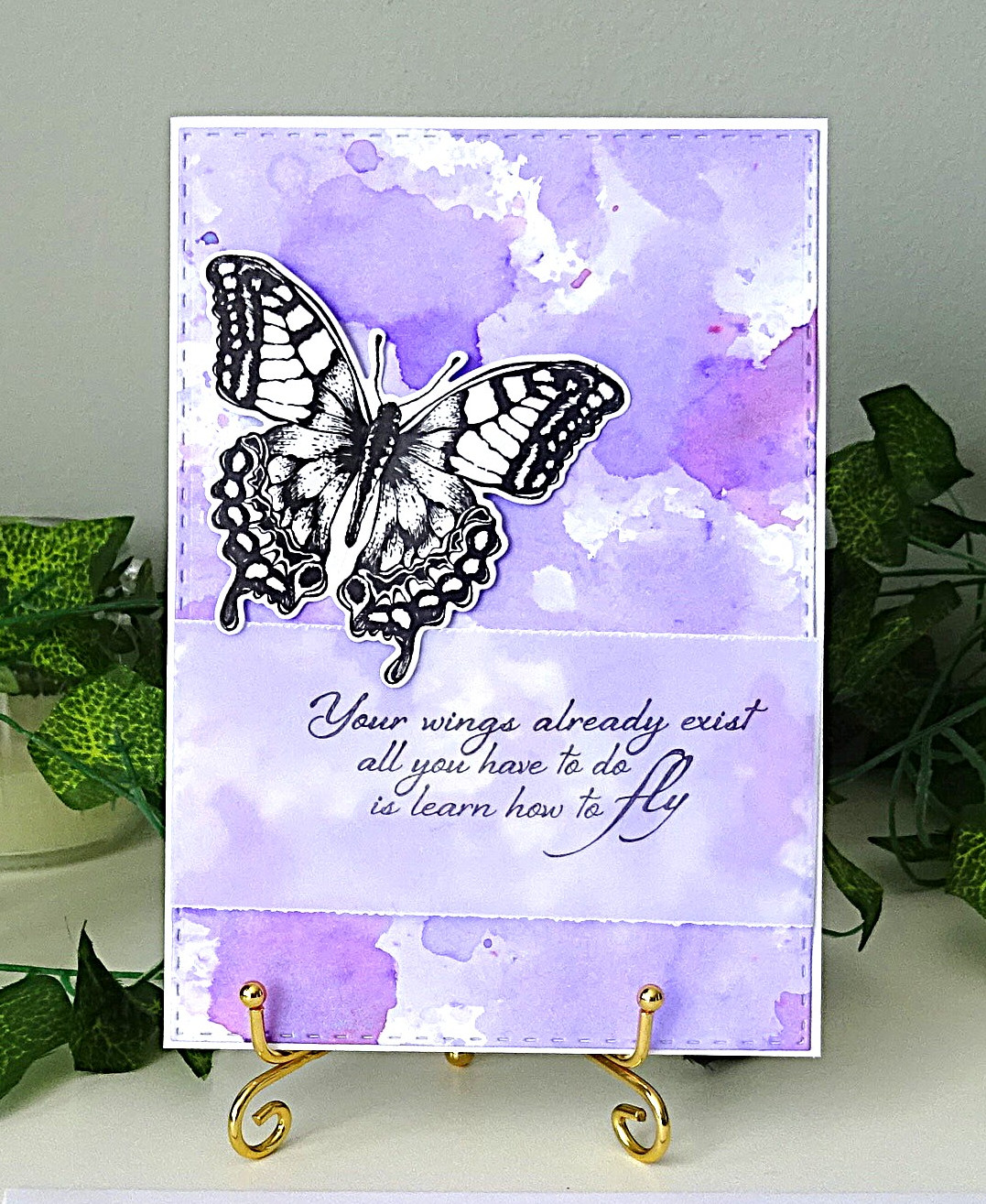
I know this has been a lot to carry, but I also know how strong and capable you are. I am cheering you on every step of the way.
Or:
This new chapter is lucky to have you in it. I hope you feel proud of how far you have come.
Or simply:
One day at a time. You do not have to have everything sorted today. I am here for you.
Encouragement does not need to be loud. Sometimes the gentlest words are the most reassuring.
Keep it concise, but give it meaning
A blank card does not mean you have to fill every inch of space. White space is allowed. In fact, it can make your words feel more considered.
A good card message often has three parts:
A greeting or opening line
A personal thought, memory, or wish
A warm closing
That might look like this:
Dear Mum, Happy birthday. I hope your day is as kind and lovely as you are. Thank you for always knowing how to make things feel better, usually with tea, advice, and the occasional raised eyebrow. Lots of love, Jules
Short, personal, complete.
If you are stuck, use this simple formula:
Occasion + personal detail + warm wish
For example:
Happy birthday, Sam. I still smile when I think about our seaside trip and the world’s most dramatic seagull. I hope this year brings you plenty of joy, calm, and cake that remains safely in your possession.
For a thank you card:

Thank you for your help with the move. I honestly could not have done it without you, especially when the bookshelf decided to become a puzzle. I am so grateful.
For a thinking of you card:
I just wanted to send a little note to say I am thinking of you. I hope today brings a small moment of peace, even if it is just a quiet cuppa.
Concise does not mean cold. It means every sentence has a reason to be there.
When writing personalised messages, I always think the best approach is to sound natural rather than polished. If the words feel like something you would actually say, they will feel more genuine.
Add a closing that reflects your relationship
The sign-off is small, but it matters. It is the final feeling the recipient is left with.
For close family or a partner, you might write:
With all my love
Love you always
Lots of love
Yours always
Big hugs
For a friend:
Lots of love
With love
Cheers to you
Sending hugs
You are the best
For a colleague, neighbour, teacher, or acquaintance:
Best wishes
Warm wishes
With thanks
Kind regards
Thinking of you
For sympathy or difficult moments:
With deepest sympathy
Sending love and strength
With heartfelt condolences
Thinking of you
With care
The right closing should feel like your relationship. “Yours sincerely” might be perfect for a formal note, but a bit stiff for your best friend who once watched you cry over a dropped takeaway. Match the closeness, the occasion, and your natural voice.
You can also add a tiny extra line before your sign-off:
Can’t wait to celebrate with you soon.
I am only ever a message away.
Thank you for being you.
Here’s to the next adventure.
These little lines make the ending feel warm rather than abrupt.
Give yourself permission to be creative
There is no single correct way to write inside a blank card. That is the joy of it.
If you like drawing, add a tiny doodle. If you love quotes, include one that genuinely suits the person. If you share an inside joke, use it. If your handwriting slopes uphill like it is climbing a mountain, that is fine too. A handmade card is already full of character, and your message can be the same.
You might write:
A mini poem
A list of things you love about them
A “remember when” note
A promise for a future coffee, walk, or catch-up
A simple sentence that says exactly what you feel
For a close friend, a list can be lovely:
Three things I love about you: You make ordinary days fun. You give the best advice, even when I pretend not to need it. You always know when cake is required.
For a partner:
Five things I love about us: Sunday mornings, ridiculous conversations, your laugh, the way you make tea just right, and the fact that life feels better with you in it.
For a child:
I am so proud of your kindness, your curiosity, and your brilliant imagination. Never stop being wonderfully you.
Creativity does not have to mean being artistic or poetic. It means choosing words that feel true.
A blank card is an invitation, not a test. The message does not need to win an award. It only needs to make someone feel seen.
If you are looking for a handmade card with space for your own words, you can browse my handmade greeting cards and gifts and choose one that feels just right for the person you have in mind.
A heartfelt card is really a small act of care

The most memorable messages are rarely the longest. They are the ones that sound honest. A line about a shared memory, a kind wish, a silly joke, or a few words of comfort can turn a card into something deeply personal.
Start with the recipient. Choose a tone that suits them. Add one specific detail. Keep it clear. End with warmth.
Your words do not have to be perfect. They just have to be yours.
Jules 🤗💙


Comments